I’m getting started
Test demand, work out your costs and know what to check before you sign a lease.
Hey, I’m Preston, The Consign Guy. I help people open and grow consignment stores, from choosing software to figuring out what brings customers back.I’m Preston. I help consignment store owners choose software, get started, and grow.
515+ store owners in the group as of November 2026. · November 2026
I started The Consign Guy page in college. One of my best friends ran Consignments on Park in Charlotte, near Carolina Place, the mall in Pineville, North Carolina, where I grew up shopping. I saw how much she was juggling just to keep the shop running, and I wanted to help.
I spent years helping her with the store’s technology. I saw how hard it can be to pick software, get it working the way your shop needs it to, and still have time for customers and consignors. That’s why I started the Consign Smarter group. I want to help owners, especially people who are just getting started, choose tools they can use with confidence and learn what helps a store grow.
I started The Consign Guy in college while helping one of my best friends with technology at Consignments on Park, near Carolina Place in Pineville, North Carolina. Years of helping her showed me how hard it can be to choose tools and run a shop. I started Consign Smarter to help other owners through those decisions.

Test demand, work out your costs and know what to check before you sign a lease.
Run a real intake, sale and payout through the system before you commit.
Pick one bottleneck and give your team a 90-day plan to work on it.
A consignment store sells items on behalf of their owners. The shop accepts, prices, and displays each item under an agreement. When the item sells, the shop pays the consignor the agreed share and keeps the remainder before its own costs.A consignment store sells items for their owners. When an item sells, the shop pays the consignor the agreed share and keeps the rest before expenses.
For example, on an $80 sale before tax with a 60% consignor share, the consignor gets $48 and the store keeps $32 before expenses.On an $80 sale, a 60% split pays the consignor $48 and leaves the shop $32.
Count your open floor slots and this week’s sold or pulled units by category. If you can display 20 more jackets and expect to clear 12 more by Friday, your practical intake allowance is about 32 jackets, provided the team can finish tagging them.
Pick the category with the tightest space. Set a one-week acceptance limit and tell the team what to say when it fills.
Set recurring intake windows and let consignors book available drop-off slots through Calendly.
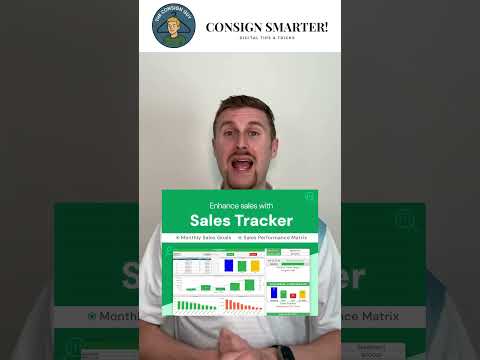
Track sales by category and time period in Google Sheets, then use the patterns to guide buying and intake.
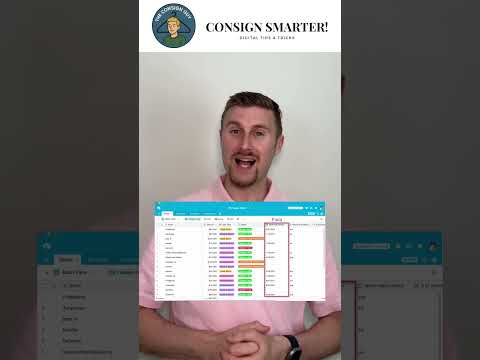
Use Airtable to record each item’s consignor, intake date, price and status, and make aged inventory easier to find.
Tell the Facebook group what you sell and what you’re deciding, whether it’s picking a POS or changing an intake policy.