Quick answer
Bring first-time shoppers back with a specific reason to return, such as a regular category drop or a small event. Offer a separate, voluntary email signup with clear expectations. Compare second purchases among identifiable first-time buyers over the same time window, then check whether the extra sales cover the promotion's costs.
Create something a shopper can come back for
At checkout, point to a real reason for a second visit. Show when your next category drop goes out, mention a styling event, or give the shopper a card with closing hours and a way to see new arrivals. Pick a frequency your intake schedule can support. If the team brings out fresh jeans every Wednesday, use that predictable schedule in signage, email, and conversations.
More detail
Give associates one question to learn what is useful, such as whether the shopper wants workwear arrivals or furniture drops. Make the invitation optional and make each update worth opening. Chill Boutique in Fountain Hills describes a weekly Monday-morning note. A predictable schedule is one way to set expectations and plan content around what the shop can consistently deliver.
Ask for marketing permission separately
Have your register or signup page explain what people receive and how often. Leave marketing signup optional and record what they agreed to, when, and where. Keep receipt or consignor contact information separate from marketing preferences. Give staff a quick way to correct an address or find the unsubscribe process, and limit who can export the list.
More detail
For U.S. commercial email, use accurate sender information and subject lines, include a valid postal address and a clear opt-out, and honor opt-outs within 10 business days under the FTC's CAN-SPAM guidance. Make sure suppression lists carry over when changing email providers. If you offer marketing texts, check the consent and opt-out requirements for your messaging method and jurisdiction before collecting numbers for that purpose.
Try one event with a measurable purpose
Choose one reason to hold a small event, such as bringing back shoppers who bought home goods or helping customers try a new category. Give it an actual selection of goods, a start and end time, and a pickup or purchase policy if relevant. Use the same dates and details on the storefront, opt-in email, and Google Business Profile. Google provides an event post format with start and end times and a link or action button.
More detail
Compare the event with a similar ordinary trading period and include the likely contribution after consignor shares, variable fees, and discounts. Suppose the event brings 16 additional purchases at $18 contribution each and costs $220 in extra staffing and materials. The estimated gain is $68 for that period, before counting any later return visits. Use comparable traffic days and look for purchases moved from Friday to Saturday so you can distinguish a shift from extra activity.
- Pick one category, event goal, and comparison period.
- Log identified first purchases, repeat purchases, and additional staffing or promotion costs.
- Check 30 days later for a second visit or sale within the group you can identify consistently.
Compare cohorts with the same time to return
Group first-time buyers by the week or month of their first recorded purchase. If 18 of 80 identifiable first-time buyers make a second purchase within 30 days, the observed repeat purchase rate for that group is 22.5%. Apply the same identification method and 30-day window to the next group. Keep anonymous transactions out of that calculation and report how many buyers could be identified, because identifiable customers may shop differently.
More detail
Use Google Profile directions, calls, and site clicks as signs of interest. Compare them with actual sales and voluntary event responses before drawing conclusions about visits. Review repeat sales, contribution, unsubscribes, and offers used each month. If a promotion brings back buyers at a cost that absorbs the store's contribution, test a product drop or a useful shop update with a clear reason to visit.
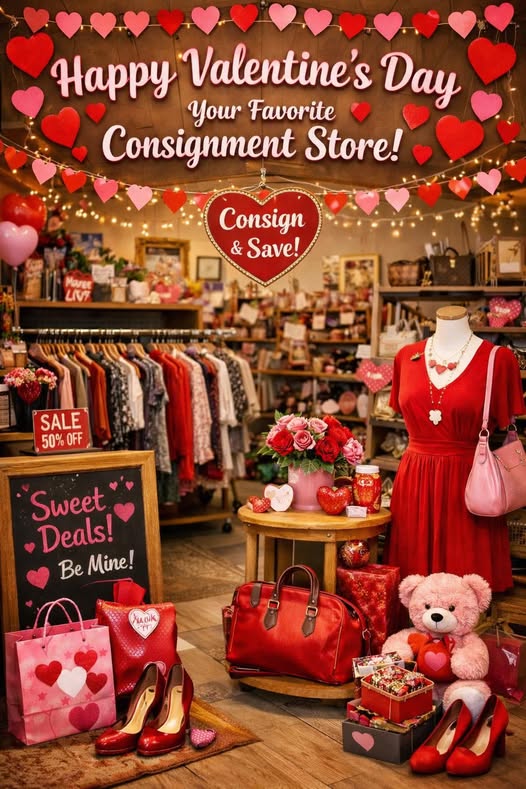
Give shoppers a reason to come in
This Valentine’s display concept from The Consign Guy is one way to build a seasonal story. Try a small collection, confirm that everything you feature is available, and track which visits or sales the campaign brings in.
Common questions
What can staff say to encourage a second consignment store visit?
Mention something the shop is reliably doing and say when it will happen. For example, tell someone who bought jeans that new denim goes out Wednesday. Share where to see arrivals or ask if they want an optional email update.
How do I calculate a 30-day repeat purchase rate?
Divide identifiable first-time shoppers who make a second purchase within 30 days by all identifiable first-time shoppers in that group. If 18 of 80 return, the rate is 22.5%. Track anonymous purchases separately and report identification coverage.
How do I know if a consignment store event paid off?
Compare the event with a similar trading period. Estimate additional contribution after payouts and variable costs, then subtract extra staffing, materials, and promotion costs. Check nearby trading days and follow-up sales for purchases the event may have moved or generated.
Sources
- Chill Boutique Consignment · Shopper FAQ and weekly email
- Google Business Profile · Publish event, offer and update posts
- Google Business Profile · What profile performance metrics count
- Federal Trade Commission · CAN-SPAM compliance guide
- Federal Trade Commission · Protecting the customer information you keep